Early Life and Immigration
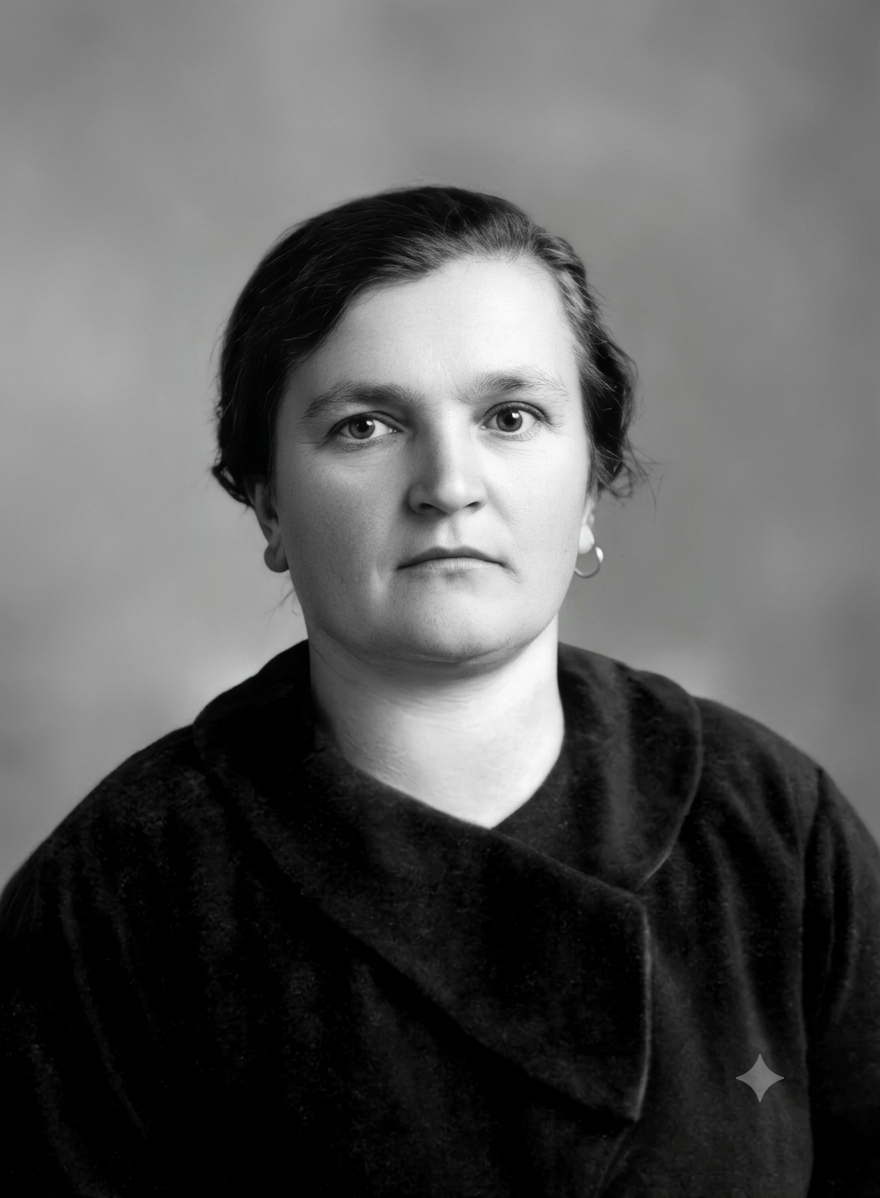
Mary “Mareta” Magelli was born on April 1, 1895, to Stefano Mareta and Theresa Lenzi. Arriving in the United States as a young child, Mary’s early life was defined by the industrious rhythm of an immigrant family seeking a foothold in America. She grew up helping her mother run a bustling boarding house that served the single men flocking to the region’s booming coal fields. It was within the walls of this boarding house that Mary met a young Italian immigrant boarder named Biagio Magelli.
Marriage and Family
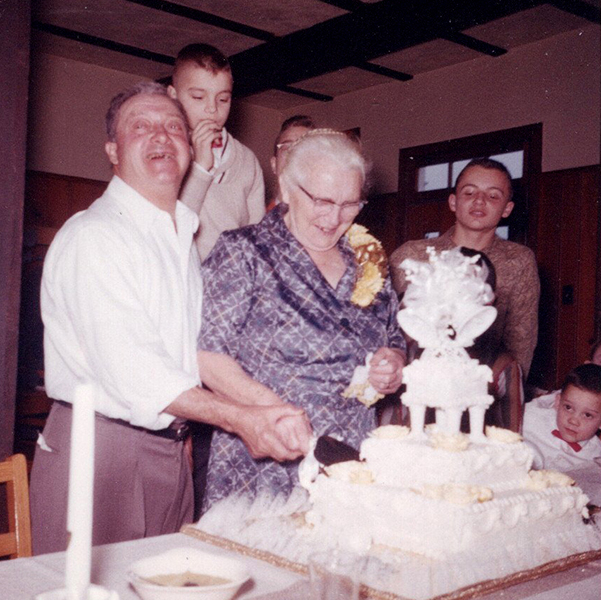
On February 17, 1912, at just 17 years old, Mary married Biagio. He worked as an underground coal miner, enduring one of the most perilous and grueling occupations of the era. Together, they settled down in Macoupin County, Illinois (in communities like Mt. Clare), a vibrant enclave of immigrant families.
Mary and Biagio’s union was blessed with 12 children, a testament to their deep devotion to family. However, like many mothers of the early 1900s, Mary experienced profound heartbreak; three of her babies—Ricardo, Joseph, and Theresa—passed away in infancy or early childhood. Nine children survived to adulthood, becoming the central focus of Mary’s endless energy and endeavors.
Life in the Coal Mining Enclaves
Life in the early 20th century required immense physical resilience. With a husband working the dusty, dark depths of the coal mines, Mary ran a tight, tidy household using sheer grit. On laundry days, she would take a wagon to the nearby coal mine just to fill a heavy tub with hot water, carefully hauling it back home. Armed with standard washboards and clotheslines, she tackled mountains of clothes. During the harsh Southern and West-Central Illinois winters, she adapted by stringing thick ropes from the rafters of her basement, turning the subterranean space into a makeshift drying room safe from the freezing frost.
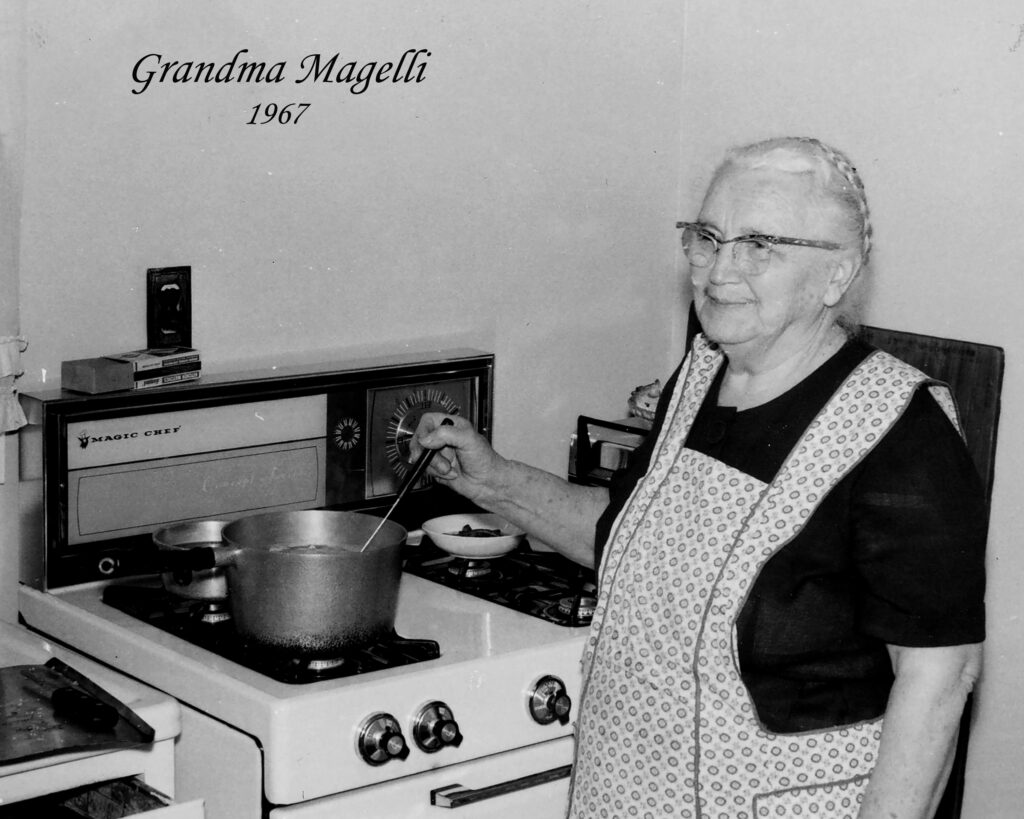
Mary’s kitchen was the heart of the home. A legendary cook, she honored her Italian heritage by baking fresh bread and rolling out homemade pasta every single week. To keep her large family fed, she maintained a coop of chickens, providing a steady supply of fresh eggs and Sunday dinners.
Faith and Later Years
A devout Catholic, Mary’s faith was the quiet anchor that sustained her through the anxieties of a miner’s wife and the grief of losing children.
Once her children were grown, successful, and scattered across the country, Mary embraced the modern age of air travel to visit them. Yet, she refused to compromise on her culinary standards. Tucked safely inside her luggage on every flight was her favorite, massive wooden rolling pin—determined to make authentic, homemade pasta for her grandchildren wherever she landed. While her beloved kitchen tool would undoubtedly trigger modern airport security alarms today, it served as a beautiful symbol of her ultimate legacy: a matriarch who carried the physical and spiritual tools of her love wherever her family went.
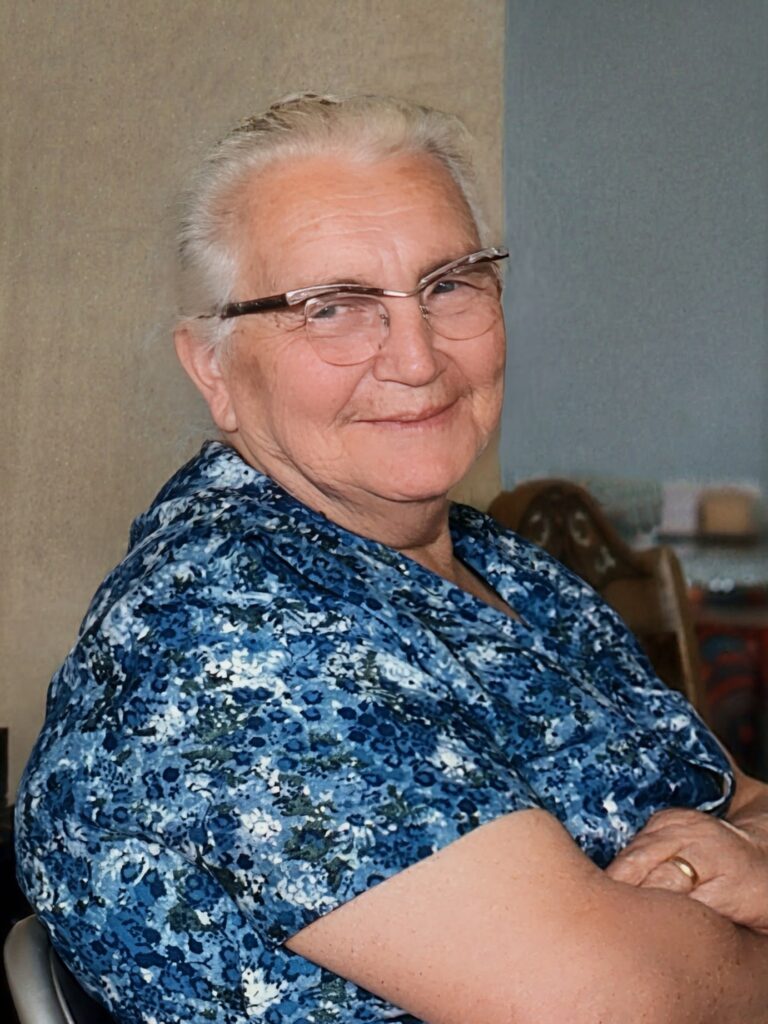
Mary passed away on May 4, 1978, at the age of 83, leaving behind a massive legacy of resilience, love, and tradition. She was preceded in death by her devoted husband, Biagio, who passed away in 1972.
Vital Statistics Reference Table
| Event | Date | Location / Notes |
|---|---|---|
| Birth | April 1, 1895 | Italy (Immigrated as a child) |
| Parents | Stefano Mareta & Theresa Lenzi | Boarding house operators |
| Marriage | February 17, 1912 | To Biagio Magelli (b. 1891 – d. 1972) |
| Children | 12 total (9 survived to adulthood) | Including Angelo, Rose, Steve, Janette, Anne, Joseph, Peter, Paul and Theresa |
| Death | May 4, 1978 | Aged 83 years |