The Magellis
The Journey
As Magellis, we trace our family history back more than 300 years. We are the descendants of village laborers, coal miners, and matriarchs. From humble beginnings, our ancestors followed new opportunities to America.
You can be sure that even when they did not have much else, they ate well. Through this website, we honor their legacy of eating seasonally, of making use of every delicious scrap, and of doing things by hand the traditional way.
To understand their dishes, we must first understand where they came from: Grandfather Biagio and Grandmother Mary. Their story is ours, too.




They also toiled round-the-clock in the forests surrounding the village, braving the elements to stoke earthen kilns in which logs were carbonized into charcoal.
“Charcoal burners,” as the workers were called, slept under lean-tos. Nourishment was limited to skinny soups of edible plants and mushrooms scrounged from the woods. If lucky, one of the crew may have spirited a meat bone from home to flavor the soup. A delicacy, the bone was tied with a string for easy dipping, drying and reuse.
Charcoal served as compact, valuable cooking fuel. Family members hauled it to Bologna and traded for groceries and other goods. Then, they’d thread their way through emerald mountains to Castel, selling some of their bounty in hamlets along the way, Aunt Theresa recalled.
But Biagio eventually yearned for more. In 1907 at the age of 16, he emigrated to the U.S. with paternal cousins, Attilio, 17, and Amelio, 32. Steamship companies hawked $30 tickets, many of which were sold by traveling salesmen.
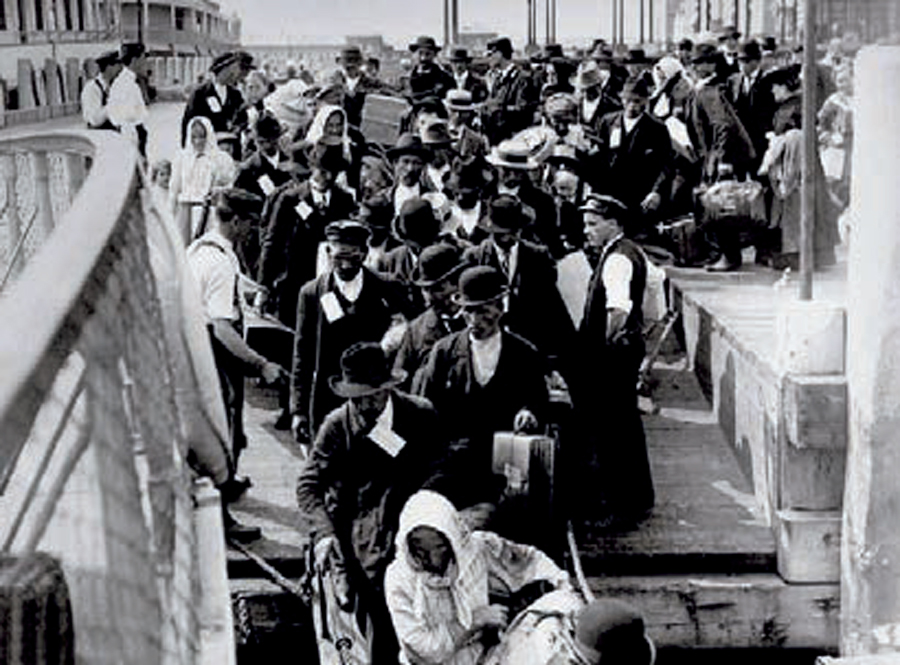
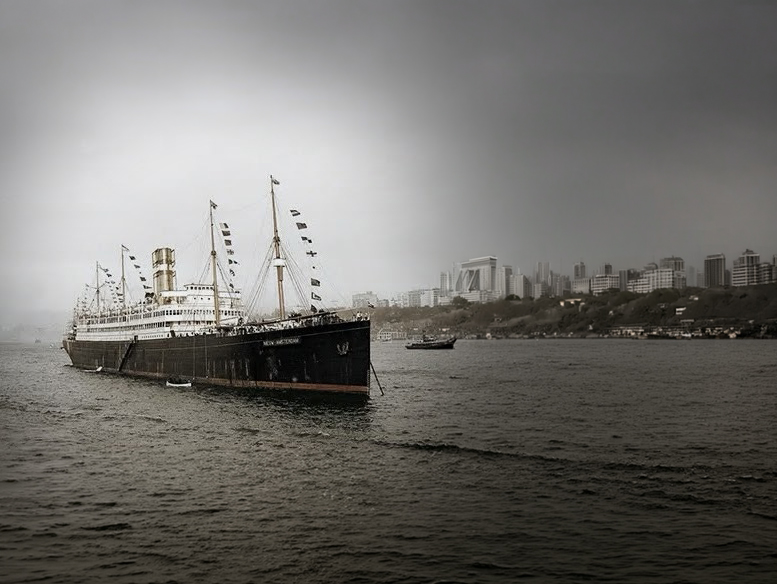
From the port of Le Havre, France, the intrepid trio shipped out aboard the SS La Bretagne. Crammed shoulder to shoulder with 591 other poor passengers in steerage class, in the ship’s lower deck, they endured eight rocky days at sea.
Biagio, according to the ship’s manifest, stood an inch shy of 5 feet tall. In his pocket he’d stuffed his life’s savings, $25. Biagio possessed two advantages over many of his shipmates: He could read and write.
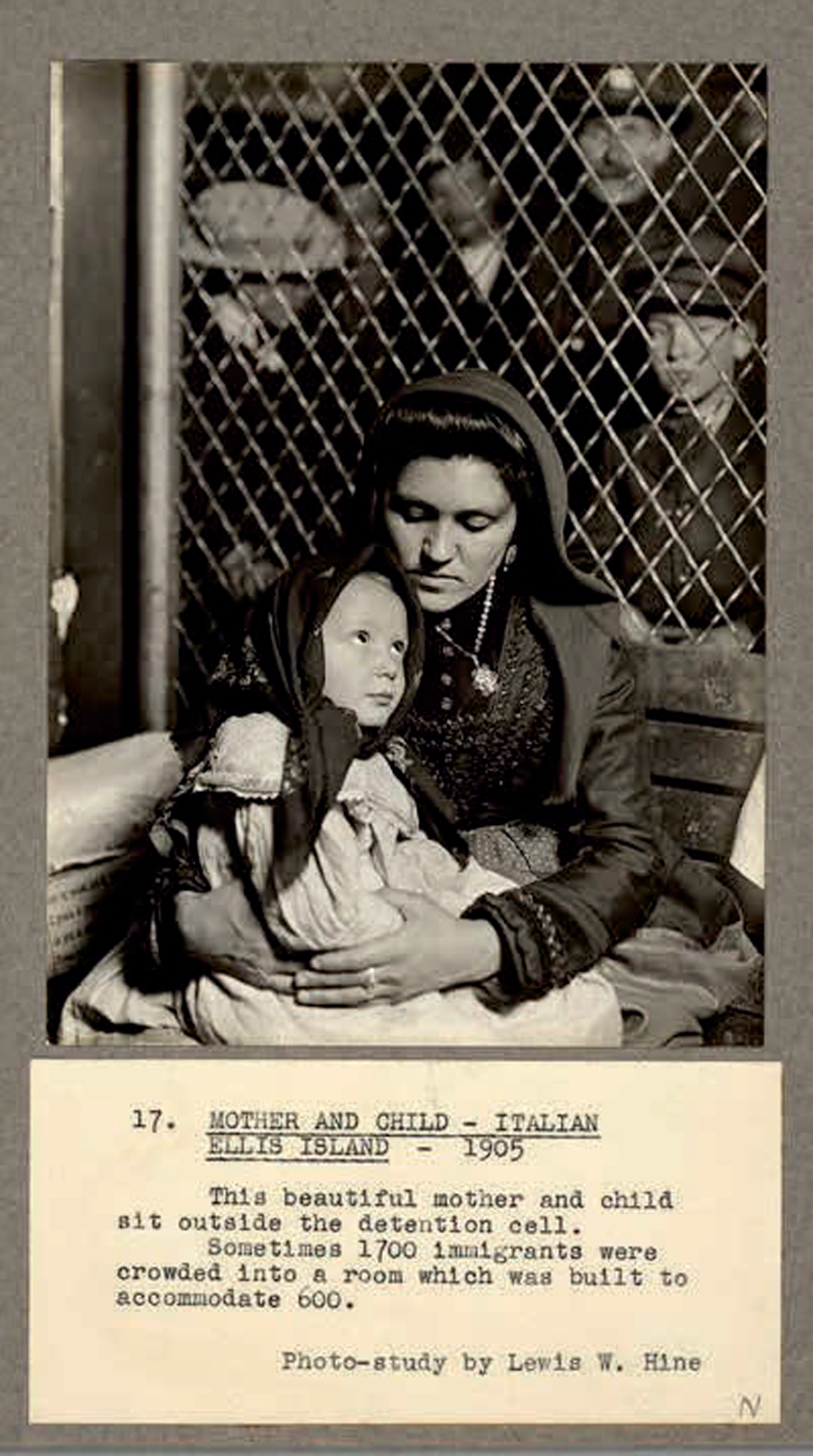
He and his cousins must have been excited and relieved when they finally entered the New York Harbor, steaming past the Statue of Liberty, America’s beacon of hope.
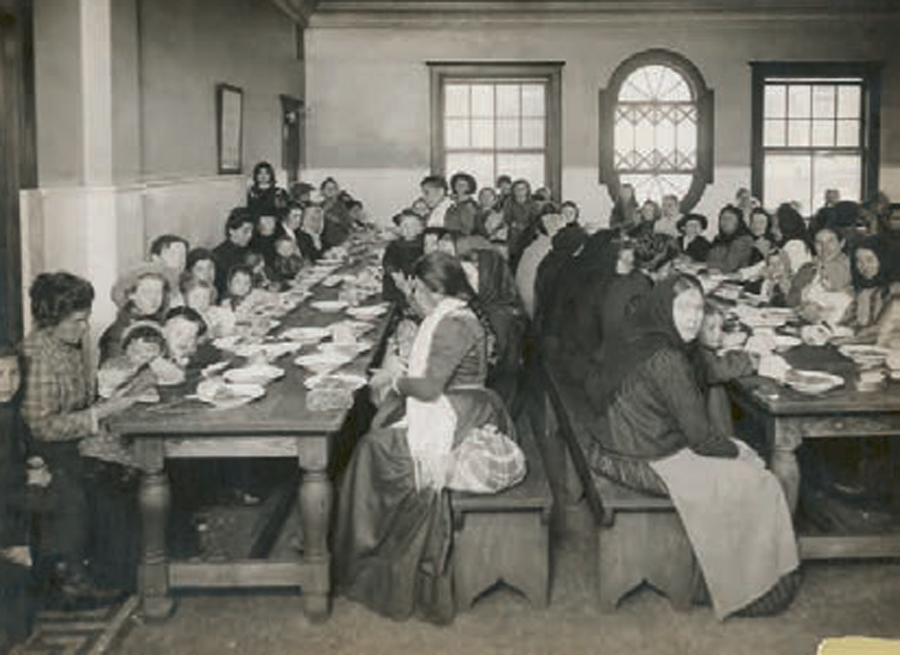
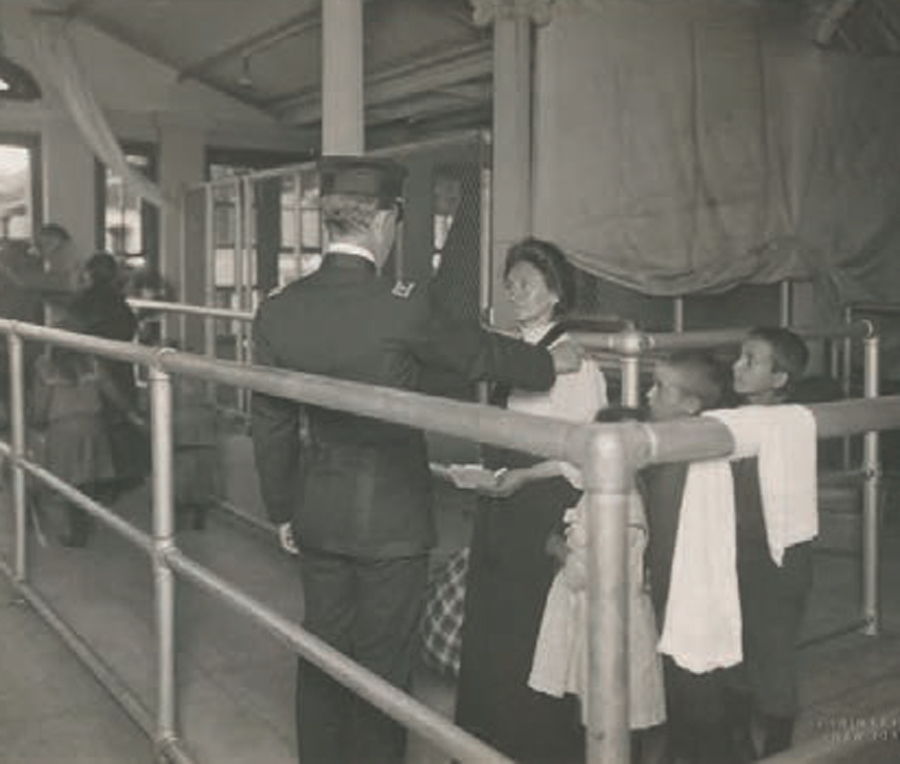
Processed at Ellis Island, N.Y., on July 15, the Magelli cousins headed straight to Ladd, Illinois. On arrival, they stayed with Attilio and Amelio’s older brother, Pompeo, who’d emigrated to the U.S. in 1902 at the age of 25.
The newcomers hoped to find jobs in Illinois’ growing number of coal mines, established by railroad companies to keep their steam-powered locomotives barreling from coast to coast.
The other half of our story is here Stefano Mareta and Theresa Lenzi
Biagio was the son of our paternal Italian great-grandparents, Angelo Magelli and Maria Matilde (Marchioni), who married in 1890.
Their first child was Biagio, who was born a year later in Castel di Casio, then a tiny isolated village in Italy’s Apennine mountains about 40 miles southwest of the bustling city of Bologna.
They also welcomed two girls into their family. Sadly, their mother, 40-year-old Maria, died in 1897. Biagio was only 6 at the time. His sisters Concetta and Cleofe were 4 and 1, respectively. Their Aunt Rosa raised the little ones as her own.
Our late Aunt Theresa (Magelli) Swanson told us that in those days the extended Magelli family owned teams of horses and mules, like early teamsters.