Immigration and the Boarding House Years
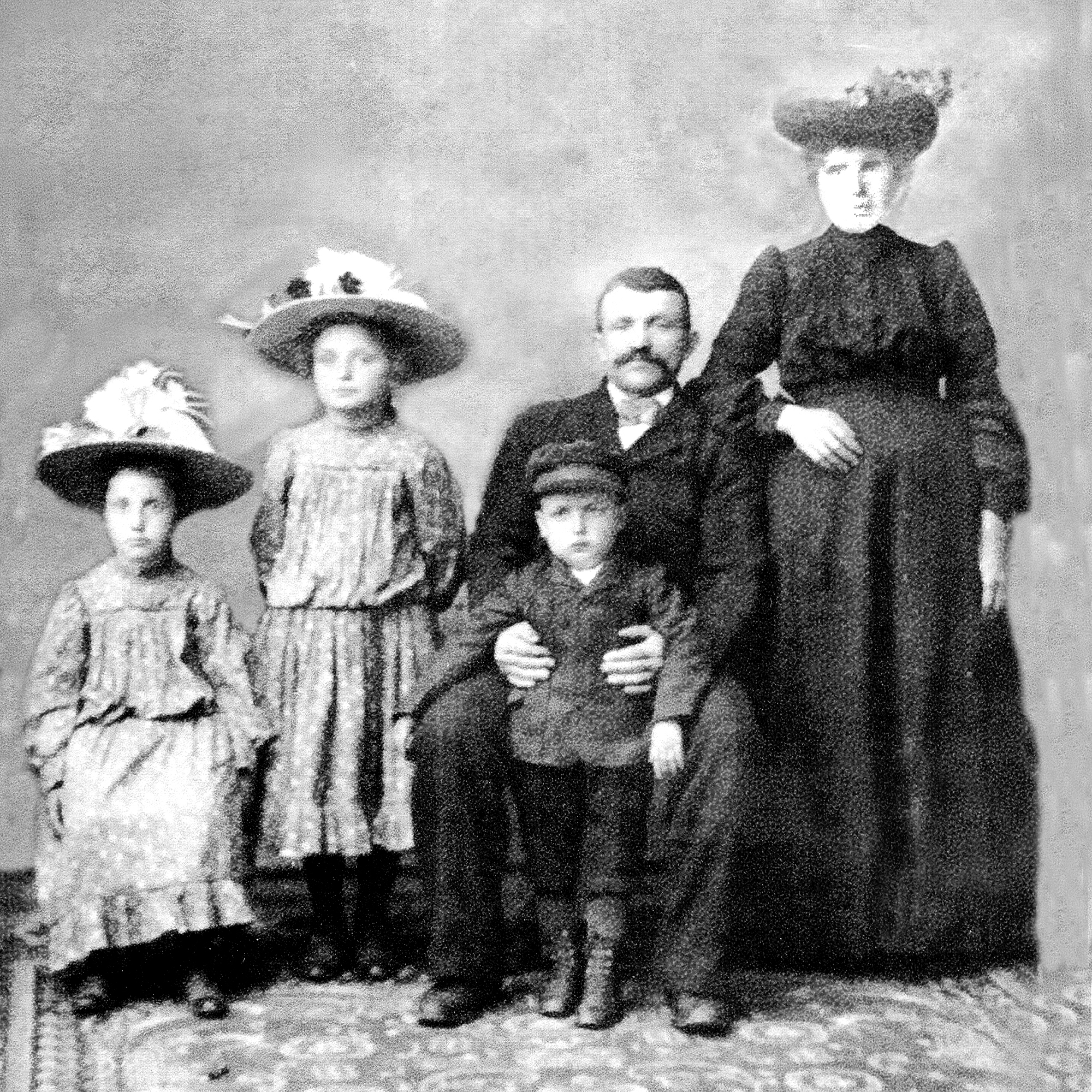
In 1901, 39-year-old farmer Stefano Morata (Stephen Mareta) departed the Bologna, Italy, region hoping to secure a more prosperous future for his family. He left his wife Theresa (Lenzi) and their three small children, promising to send for them as soon as he could.
His journey lasted a grueling 20 days. Records show he headed to Ladd, Illinois, where his brother-in-law lived. Stefano landed a mining job in the area and later managed to buy 20-acre farm in Mark, Ill.
On Aug. 22, 1903, Thresa, shepherded little Maria “Mary,” 6; Della, 4; and Giuseppe, later named Joseph, 2; to La Havre, France, shoving off for America aboard the SS La Lorraine. Their third-class tickets were also in steerage class with 548 other immigrants.
The lowest class of sea travel, steerage conditions could be grim. Immigrants slept two to a single and four to a double berth, stacked three to four beds high.
Food was scarce. The only ventilation flowed in from hatches on the upper deck. Toilets were located on the higher deck. But hatches were locked during storms and heavy seas, forcing passengers to breathe stale air. Unsecured buckets doubled as toilets.
Cholera, typhus and smallpox often raged through the tight quarters.
Six days after their departure, the Maretas made it to Ellis Island. There, their names were recorded in federal logs. Like all passengers. they were checked for illnesses and when cleared were released to continue their travels. Fifteen million immigrants passed through Ellis Island’s gates between 1900 and 1915.
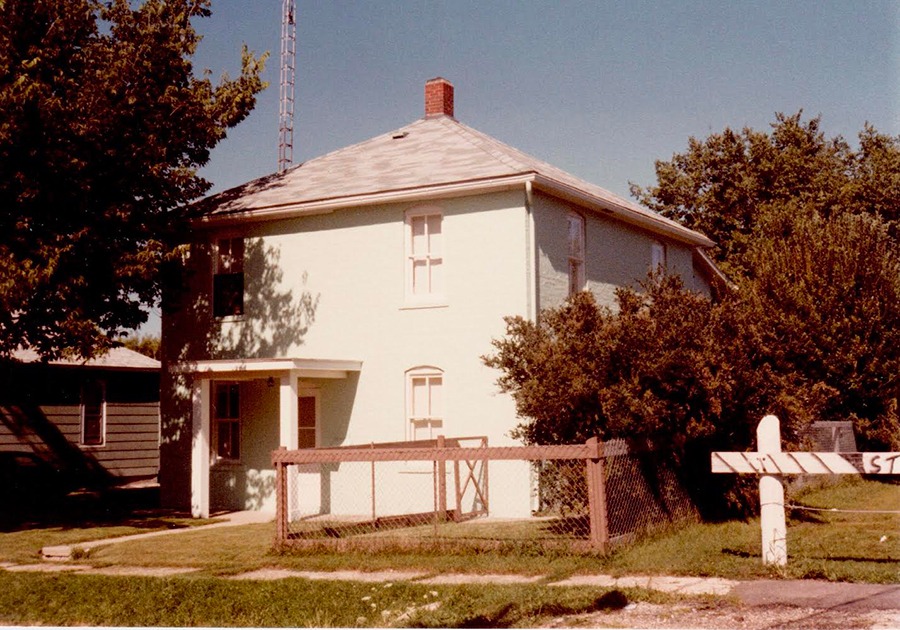
Six years after his arrival, Stefano purchased a family home with additional income potential. It encompassed a kitchen and four bedrooms, two downstairs and two upstairs for renters. Typically, four to eight boarders, mostly fellow coal miners and sometimes family members, bunked on the second story, which had its own outside entrance.
Designed to cater to the massive influx of single immigrant miners arriving from Europe, the boarding house became a vital cultural and social hub. For the young men living under their roof—one of whom was a young Biagio Magelli—the Marettas provided far more than just standard sleeping quarters. Under Theresa and Stephano’s roof, the boarders found a vibrant slice of home, anchored by traditional, slow-simmered Italian meals and a shared language.
Transition to the Farm
Through meticulous saving and sheer grit, Stephano achieved a foundational piece of the American Dream: transitioning away from the dark, perilous depths of the coal mines to become a landholder. He purchased a beautiful, sizeable farm in Illinois, tending to the soil and livestock with the utmost pride and care.
The farm quickly became an agricultural extension of the family’s deeply rooted Italian culinary traditions. To sustain his large household and supplement their diet, Stephano managed a thriving homestead. This included a well-kept chicken coop that yielded fresh eggs daily and provided the centerpiece for traditional family Sunday dinners. The farm served as a sanctuary of self-reliance, ensuring his family remained well-fed and securely grounded in their own soil.
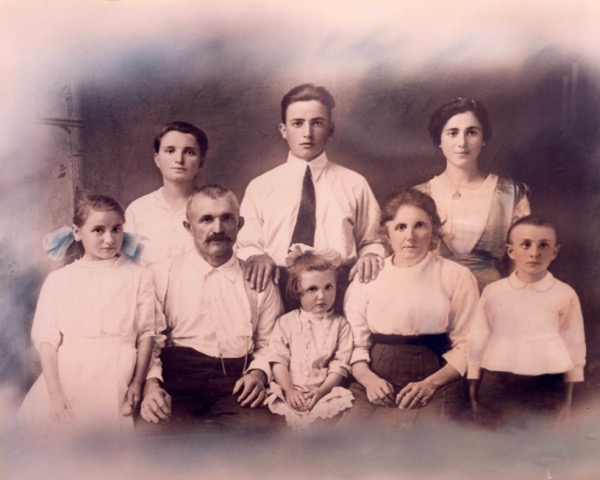
The Mareta family eventually added three more children, Aiva, Peter, and Ann to their brood.
Mary, the oldest, surely played mother hen to her younger brothers and sister. And loved to cook even as little girl. She told stories of standing on a kitchen step stool to help make pasta alongside her mother.
America offered possibilities unheard of in the old country. But growing up in a strange new place with a new language could be harsh. At school, the Mareta kids were teased and called “garlic snappers.”
Mary toughed it out long enough to learn to speak, read and write in English. Before long, she was working full-time with mother running the family’s boarding house.
There was a bright side to the arrangement. She married a miner who lived in the boarding house next door. She and Biagio Magelli were wedded on Feb. 17, 1912. She was 17 and he was 21.
The 1920 Census shows the young couple lived next door to the Maretas, Mary’s family.
When the area’s mines began to peter out, the Magellis moved first to Benld and then to Mt. Clare. Home of the Superior coal mine #3, Biagio toiled underground for decades.
Designed to cater to the massive influx of single immigrant miners arriving from Europe, the boarding house became a vital cultural and social hub. For the young men living under their roof—one of whom was a young Biagio Magelli—the Marettas provided far more than just standard sleeping quarters. Under Theresa and Stephano’s roof, the boarders found a vibrant slice of home, anchored by traditional, slow-simmered Italian meals and a shared language.
Family and Legacy
Stephano and Theresa’s marriage was the bedrock of a sprawling, multi-generational family legacy. Together, they raised a large family, passing down an unwavering work ethic and a deep reverence for their Italian heritage.
Stephano and Theresa established an enduring Italian-American legacy in the heart of Illinois—transforming the rugged realities of the coal mines and early farming life into a story of remarkable resilience, tradition, and abundance.
The six children who blessed their marriage were:
- Mary
- Della
- Joseph
- Iva
- Peter James
- Ann Elizabeth