
Our grandparents were poor. Not destitute—but poor.
Yet you never would have known it from the meals they served in their modest Mount Clare, Illinois, home.
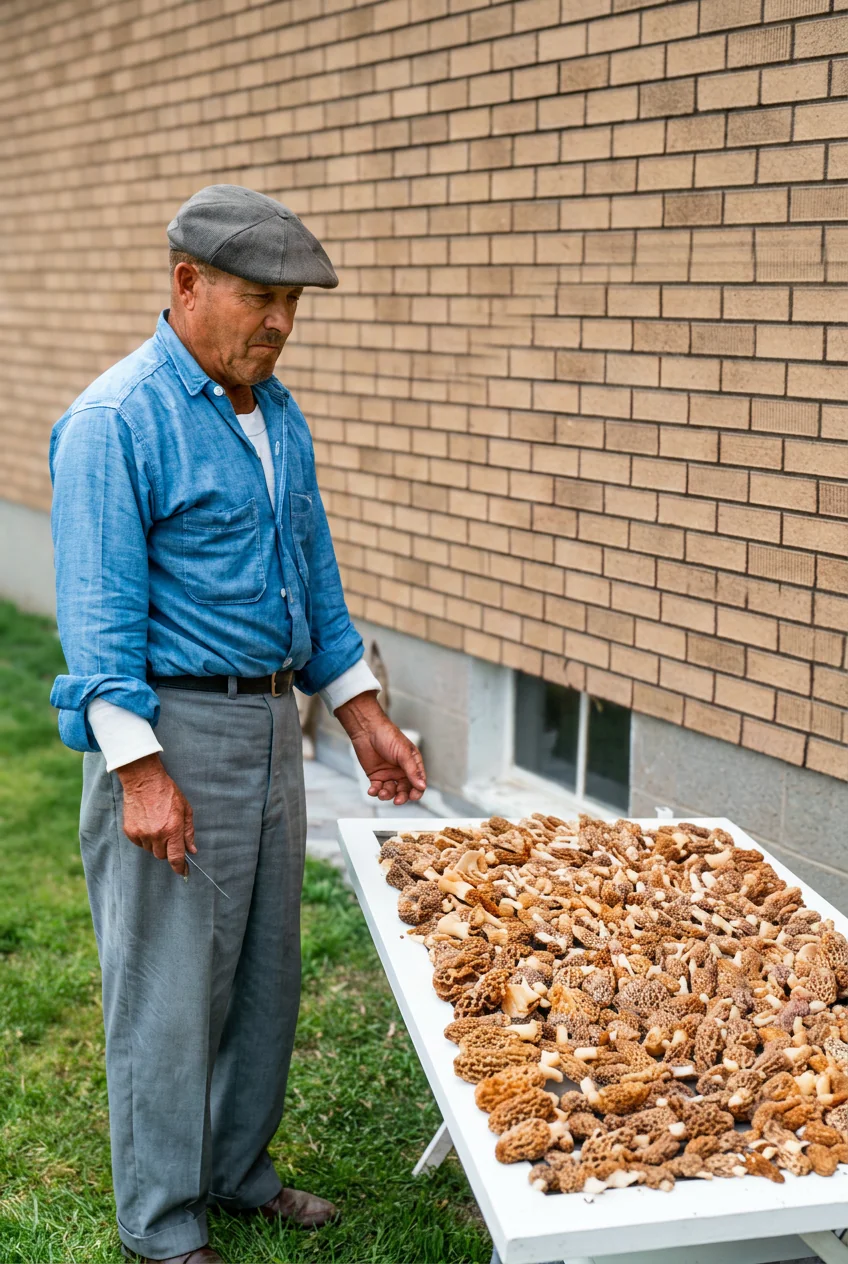
One factor? Grandpa Magelli, gardening guru and ace forager.
In early spring, he’d tuck seeds saved from the previous growing season the soil. Then he’d pop an old window over them, a sort of make-shift greenhouse.
When the weather was just right, he’d push a one-blade plow through a large garden plot near the backyard chicken coop—a convenient, if odiferous, source of free fertilizer.
Onions, lettuce, beets, radishes, rhubarb, celery, green peppers, corn and cauliflower sprang from the carefully tended rows. But growing plump beefsteak tomatoes brought him the greatest joy.
To supplement it all, he haunted surrounding fields, forests and streams. They yielded fresh dandelion greens, wild asparagus, all manner of mushrooms, blackberries, wild strawberries, rabbit and squirrel.
In fall, he pressed grapes for wine. And he made salami, sausage, head cheese and prosciutto.
Together, the cultivated and harvested bounty carried the family through coal mine strikes, the Great Depression and two world wars.
We’re still in awe.